In-Depth Review: TTArtisan AF 23mm F1.8
Introduction
As an amateur street photographer roaming the streets of Guangzhou and Macao over the past few weeks, I’m always looking for the balance between quality, portability, and discretion. In street (and documentary) photography, the 35mm focal length (23mm equivalent on APS-C) is the reigning champion: wide enough to show context, yet tight enough to isolate subjects.
TTArtisan has entered the autofocus market strong with its new AF 23mm f/1.8, a lens that, for a price hovering around 127 Euros, promises to democratize this classic focal length. My expectations were moderate, especially coming from using native optics like the Fujinon XF 23mm f/2. However, after putting it to the test in real-world scenarios, from night markets to modern architecture, this little lens has pleasantly surprised me.
Below, I analyze point by point whether this lens deserves a spot in your bag.
Quick Specs
| Feature | Specification |
|---|---|
| Focal Length | 23mm (approx. 35mm full-frame equiv.) |
| Aperture | F1.8 - F16 |
| Diaphragm Blades | 9 blades |
| Optical Construction | 10 elements in 8 groups |
| Min. Focus Distance | 0.3 meters |
| Filter Diameter | 52mm |
| Weight | ~223g |
| Mount Tested | Fujifilm X |
Build and Design: Handling (3.5/5)
Materials and Finish
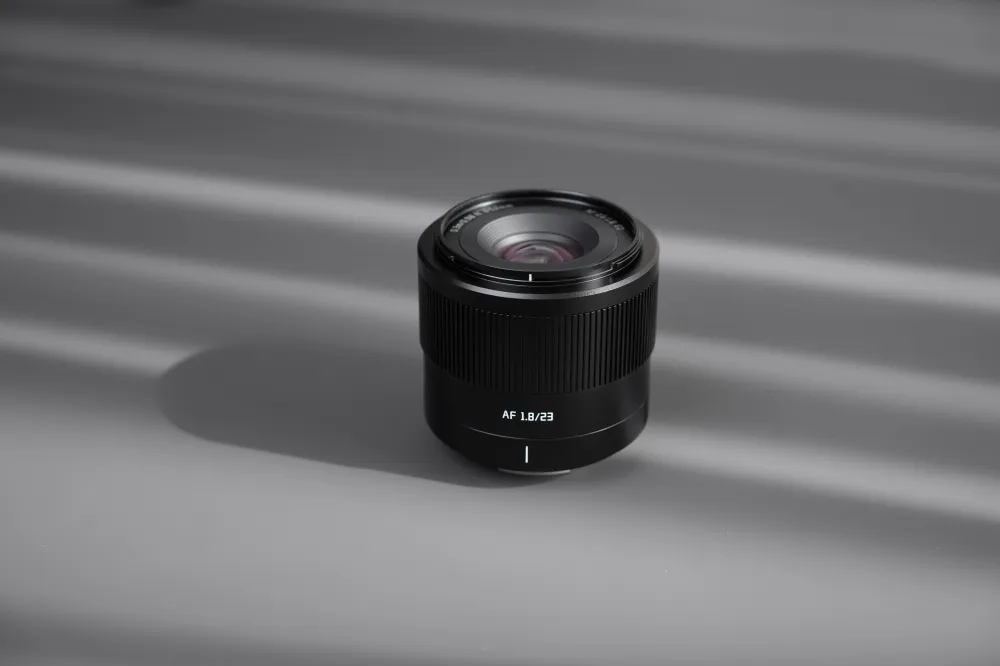
The first thing you notice when taking the lens out of the box is how cold it feels to the touch. The all-metal construction offers a sense of solidity that far exceeds expectations for its price range. Weighing in at just over 220g, it feels dense but balanced, especially on bodies like the Fujifilm X-T or X-S series.
Unlike other manufacturers that opt for plastics in their budget lines, TTArtisan has maintained the quality standard of their manual lenses. This gives it a premium feeling and a promise of durability for daily use.
Ergonomics and Omissions
The design is minimalist and compact, ideal for staying unnoticed. However, there is an “elephant in the room”: the lack of an aperture ring. For Fujifilm users accustomed to controlling the aperture from the lens, this requires an adjustment period to shift control to the camera dial. I understand this is a decision to reduce cost and size, but it is the biggest sacrifice in user experience you will have to make.
Accessories and Details
- Lens Hood: The included square hood is functional and aesthetically pleasing, although made of plastic. It does its job of protecting the front element and preventing side glare.
- Filters: The 52mm diameter is a total win—standard and affordable. Plus, it allows for sharing ND or diffusion filters with other lenses from the brand (like the AF 56mm f/1.8), simplifying travel gear.
- Rear Cap with USB-C: A clever detail from TTArtisan is including the firmware update port in the rear lens cap, avoiding ugly ports on the lens body itself.
Autofocus: Street Performance (4/5)
During my walks, the STM (Stepping Motor) system proved to be competent.
- Speed: In good light, focus is fast and decisive. It doesn’t have the instant “bite” of Fuji’s latest linear motors, but it is more than enough for street photography.
- Noise: It is very silent. Unless you press your ear against the lens in a quiet room, you won’t hear it. This is crucial for not drawing attention.
- Tracking (Eye-AF): It works surprisingly well with the camera’s eye detection system.
- Low Light: This is where the difference with 500-euro lenses shows. In the nights of Macao, the focus occasionally “hunts” a bit before locking onto the subject, though this happens less often than I feared.
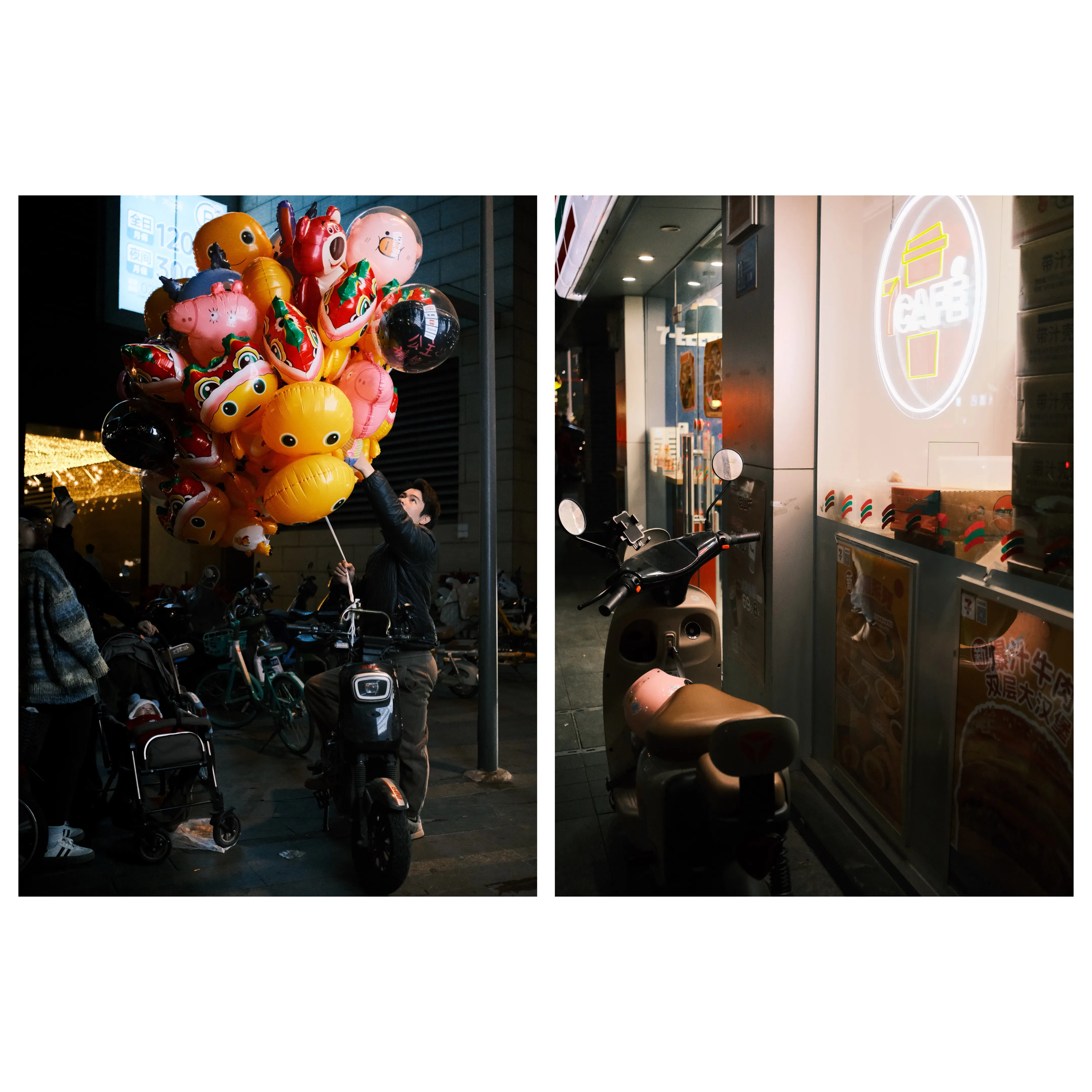 The focus captured the movement without issues in this scene.
Image Quality and Optical Performance (4/5)
This is where the TTArtisan 23mm f/1.8 justifies every euro of its price. The images have a “character” that is sometimes missing in modern clinical lenses.
Sharpness
- Center: At f/1.8, the center is surprisingly sharp. You can use it wide open without fear.
- Corners: As expected, the corners suffer at maximum aperture, appearing somewhat soft.
- Sweet Spot: Stopping down to f/4 or f/5.6, sharpness becomes excellent across the entire frame. Honestly, for street photography where the subject is usually centered or in the thirds, the corner softness at f/1.8 is irrelevant.
Colors and Contrast
The lens tends to offer slightly warmer and more saturated colors than native Fuji glass, which I personally find pleasing. Contrast is good, although in very harsh light situations it can suffer from a bit of “veiling glare,” which brings us to the next point.
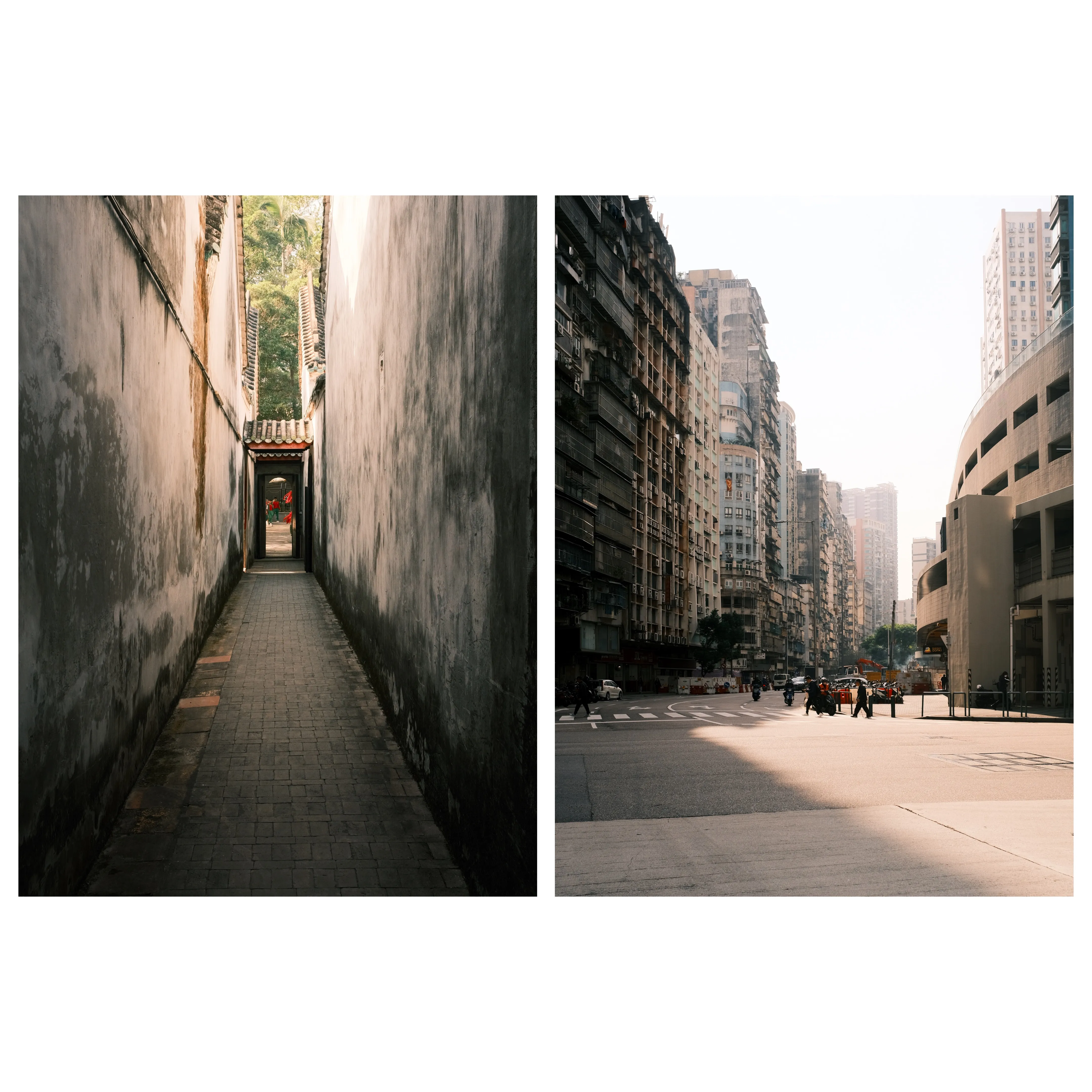
Character: Bokeh, Vignetting, and Flaws
The Bokeh
With its f/1.8 aperture and 9 diaphragm blades, you can achieve good subject separation. The bokeh has a peculiar character; it’s not that perfect creaminess of a high-end portrait lens, but rather a bit “nervous” or textured. Far from being a defect for me, this adds an organic, “vintage” touch to the images that I love for urban photography.
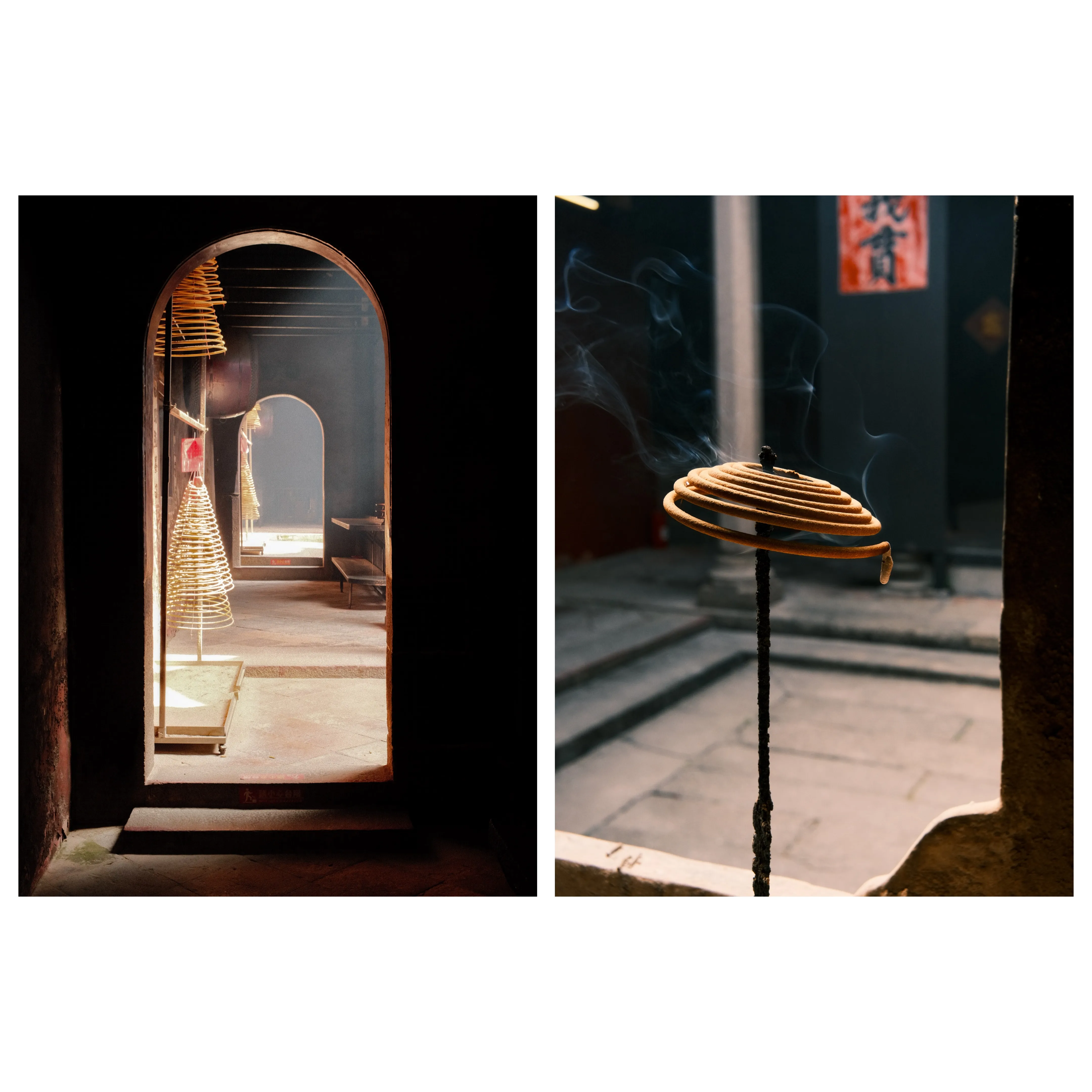
Vignetting
Vignetting is very noticeable at f/1.8. The corners get quite dark. Is this bad? Technically, yes. Artistically? It depends. In my street photos, natural vignetting helps focus the eye on the subject without having to add it in post-production. At f/2.8, the vignetting is drastically reduced.
Chromatic Aberration (CA)
TTArtisan has done a great job here. Longitudinal chromatic aberration (those purple or green fringes in high-contrast areas) is very well controlled. Even photographing tree branches against a blown-out sky in Guangzhou, color fringing was minimal or non-existent.
Flare and Backlight
Backlight performance is acceptable. Some flares appear if the sun hits directly, but they are usually artistic and controlled. They don’t destroy image contrast unless you intentionally look for the flaw.
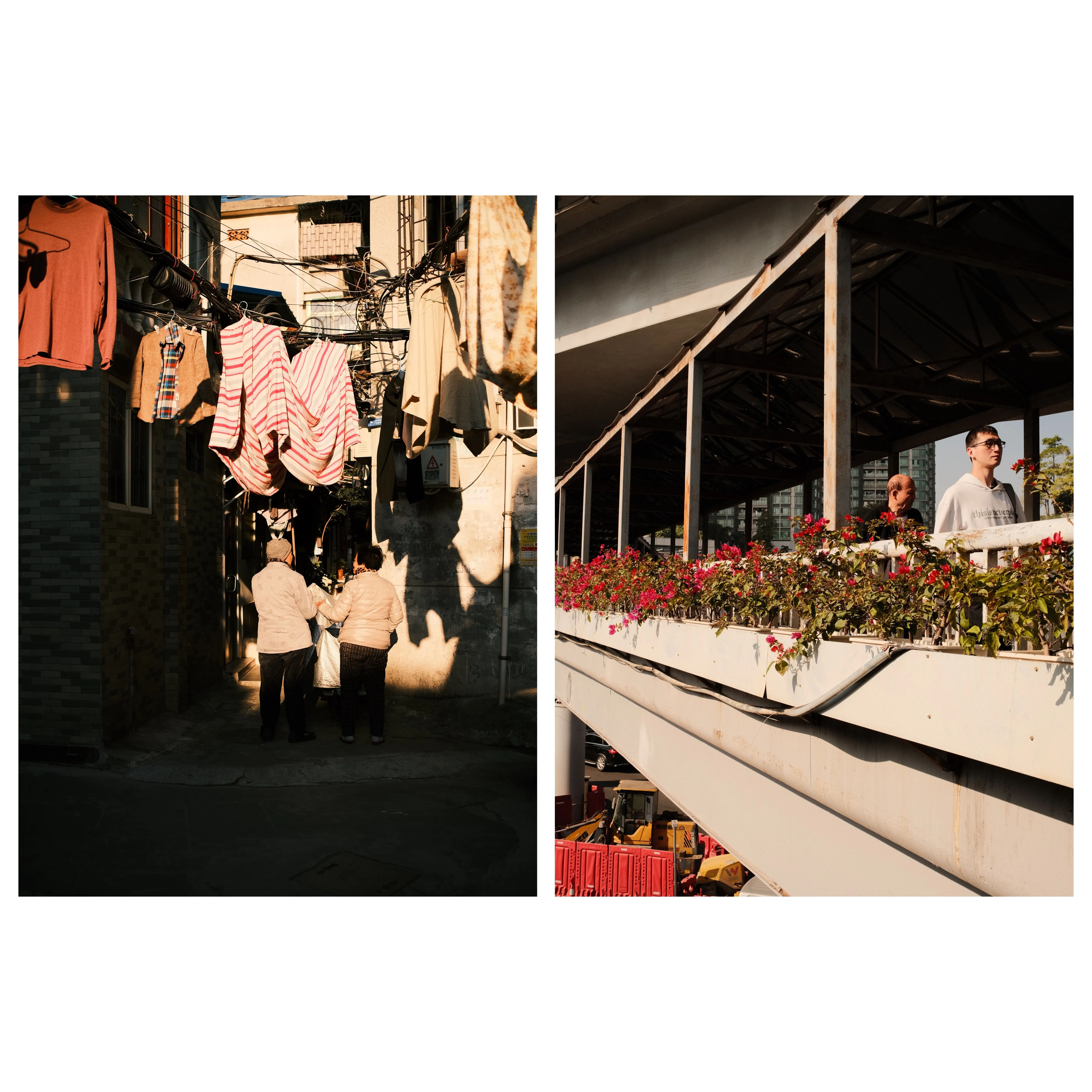
Quick Comparison
| TTArtisan 23mm f/1.8 | Fuji XF 23mm f/2 WR | |
|---|---|---|
| Price | ~127€ | ~450€ |
| Aperture | f/1.8 | f/2.0 |
| Aperture Ring | No | Yes |
| Weather Sealing (WR) | No | Yes |
| Size | Compact | Very Compact |
Pros and Cons
What I Like (Pros)
- ✅ Unbeatable Price: The price-to-quality ratio is absurd (in a good way).
- ✅ Metal Construction: Feels like a serious tool, not a toy.
- ✅ Center Sharpness: Totally usable from f/1.8.
- ✅ Portability: Perfect for hanging around your neck all day.
- ✅ USB-C Port: Easy firmware updates via the cap.
What Could Be Improved (Cons)
- ❌ No Aperture Ring: It is sorely missed in the Fuji ecosystem.
- ❌ Soft Corners: At f/1.8 it’s not ideal for landscapes; you need to stop down.
- ❌ Low Light AF: Can hesitate in very low contrast situations.
- ❌ Heavy Vignetting: Although I like it, it is strong wide open.
Conclusion
The TTArtisan AF 23mm f/1.8 has changed my perspective on what to expect from a “low cost” lens. It’s not perfect: if you need weather sealing, clinical maximum focus speed, or perfect corner-to-corner sharpness at f/1.8, you’ll have to spend three or four times more on the Fujinon.
But for street photographers, documentarians, or travelers looking for a second lens, or for those starting out who want a fast prime without breaking the bank, this lens is a gem. Its “flaws” (like vignetting or nervous bokeh) give it character, and its virtues (build, size, and price) make it irresistible.
Does it replace an XF 23mm f/1.4? No. But does it allow you to take 95% of the shots for a fraction of the price? Definitely yes.
Final Score: 8.5/10 (Considering its price)